

Thin Wall Injection Molding: Everything You Need to Know

Table of Contents
Whether it be sleek mobile phones or single-use medical syringes, the need for slimmer, lighter, and cheaper plastic components has never been higher. Production companies must continuously operate under the assumption that they can use less—less material, less weight, less time, and less production hours. This is the perfect situation for thin wall injection molding.
This type of manufacturing is able to produce highly durable plastic components with extremely thin walls, meaning material costs can be lowered, and production cycles can be sped up. This guide will explain what thin wall molding is, what benefits it has, what common mistakes are made, and the fundamental design details you will need in order to perfect this rapid production method.
What is Thin-Wall Injection Molding?
‘Thin wall’ is relative to the overall dimensions of the component. For instance, the industry typically considers thin wall to be parts thinner than 1 mm. However, for larger automotive parts, walls of 2 mm may be considered thin, while for micro-electronics, walls of 0.5 mm may be considered thin.
The walls of such parts is defined more precisely by the flow length-to-thickness ratio, or (L/t) ratio, which compares the flow length (how far the molten plastic needs to travel) to the wall thickness. In traditional molding, the flow length-to-thickness ratios is below 100:1. However, in thin wall injection molding, the (L/t) ratio is 150:1 or more, sometimes even going as far as 200:1. Clearly, the higher the ratio, the more difficult it becomes to completely fill the cavity with plastic before it cools and solidifies.
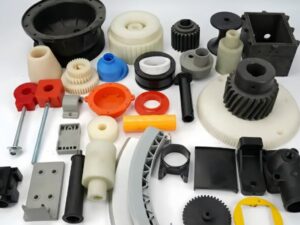
I have no doubt that you come across the results of such processes every day. For instance, the protective casings of most mobile phones, the complex casings of some hearing aids, and the modern lightweight and thin containers that some foods such as yogurts and takeout meals come in are all products that require the use of thin wall molding.
Why Choose Thin-Wall Injection Molding?
This technique is cutting-edge, and it is also be a far more preferable option from a financial and operational standpoint.
Reduced Resource Consumption
The first benefit manufacturing companies get from using this technique is saving a substantial amount of money owing to reduced resource consumption. Removing micrograms of a millimeter from the plastic wall thickness, translates to considerably less volume of plastic. It also means lower costs and resource consumption, not just for this particular production run of millions of units, but for all future production runs.
Enhanced Efficiency
Manufacturing companies operate under the mantra that time is money. Using this technique means, the completed units will be removed from their molds much more quickly, allowing for heightened manufacturing efficiency, which means overall increased productivity.
Reduction of Component Weight
Industries such as automotive, aerospace, and electronics, all must be mindful of the overall weight of their products. Thin wall molding allows for the production of more specialized and lighter components that are more fuel efficient and more comfortable to hold.
Innovative and Sustainable Molding
Innovative molding is more eco-friendly. It consumes less material and energy and produces less plastic waste than traditional molding methods, which aligns with the goals of improving eco efficiency and reducing waste.

Features of Thin Wall Injection Molding
Manufacturers who are thinking of switching from standard molding processes to molding thin walls should know that the transition cannot be achieved simply be making the walls thinner. Such endeavors require having a specific operational det for the given modeling process.
High Pressure and Speed
Because the walls are so thin, as the molten plastic fills the cavity, it cools and hardens almost instantaneously upon making contact with the surface of the mold. Therefore, to ensure the cavity gets filled before the plastic freezes, the machine must be able to inject the plastic at exceptionally high speeds and pressures, reaching around 30,000 to 40,000 psi.
Specialized Machinery
Standard hydraulic machines often struggle to achieve the rapid injection speeds that are required from them. Applications of thin wall molding also often require the usage of high, all electric or hybrid machines. These machines are built with robust mechanisms to ensure that they perform at the high speeds required; sometimes they are equipped with accumulators to deliver rapid bursts of energy.
Precision Tooling
The standards to which the molds are built must also be specific to the scenario. They cannot be built to just normal standards for the melting. They require special attention, as with the high pressures at which they are built, any misalignments in the mold can cause flash or loss of part fidelity. Tooling requires harder steels, like H-13 or S-7, and tighter tolerances to withstand the internal stresses and ensure a high standard of machining.
Common Perils of Thin-Wall Injection Molding
Pushing the limits of how plastic can be molded comes with failures. Here are the most prominent errors that manufactuers encounter in the thin wall processing.
Cracking
Fast injection speeds can lead to cracks forming within the part as a result of high internal stresses. If the part is not able to withstand this internal stress, it can fracture immediately after it is ejected from the mold, or it can fail later on, which can happen during its actual assembly or later on during its end-use.
Unfilled Voids (Short Shots)
This is the classic thin wall nightmare. If the injection speed is not high enough or the flow path is too long, plastic can freeze within the flow path before it has a chance to fully fill the mold cavity. This is a lost volume of plastic in the mold; thus, it creates unfilled voids within the part (a.k.a. short shots).
Cooling defects and Warping (Uneven cooling and warp)
Thinner walls tend to be more susceptible to cooling defects which in turn can lead to warping. If the cooling channels in the mold are not designed impeccably, different portions of the part can cool at different rates. This can result in a cooling defect that creates internal stresses in the part, which will lead to the part retaining memory of a different, unplanned configuration.
Weak Knit Lines
When molten plastic encounters an obstacle (like a screw boss), the advancing resin flows and ends up overlapping. In thin wall designs, the plastic cools quickly and the flow fronts may not fuse. The result is what some might confuse with a cosmetic defect, but is actually a knit line, which acts like a structural defect.
Cosmetic Texture Inconsistencies
An even surface finish may be difficult to achieve. Bad surface finish may be the result of burned gas when gas is trapped, and flow lines (visible longitudinal surface waviness of the flow) may be left when material velocity is not consistent while the mold is being filled.
Pushing plastic to its limits comes with risks. Here are the most common defects manufacturers face when navigating thin wall processes.
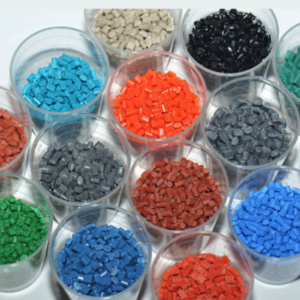
How to Choose the Right Molding Materials
Choosing a resin comes down to figuring out what other molding materials will complement it. The most critical property to consider in these other molding materials is Melt Flow Index (MFI).
In cases where it is critical to the operation, users should choose materials with a higher MFI. A material with a MFI is usually in a less viscous state and will flow readily enough to fill out the cavity in the mold without any risk of damaging the mold due to over-pressurization.
Some readily available materials include:
- Polypropylene (PP): Excellent for packaging due to its high flow rates and flexibility.
- Nylon (PA): Good for technical parts requiring higher strength and heat resistance.
- Polycarbonate (PC): Good impact resistance and clarity is required. Otherwise, PP is usually the better molding material choice, as it has better flow rates and easier to mold.
- Liquid Crystal Polymer (LCP): This polymer often has applications in ultra-thin micro-parts due to its excellent flow.
Avoid Hitting a Wall: Design Tips and Tricks
Designing at the drawing board is a critical component of the injected molding process, as it determines the success of the whole operation and having the desired outcome. The most effective injected molding design techniques will eliminate the majority of the aforementioned issues.
Uniform Wall Thickness
Having consistent wall thickness is the most important rule in injection molding and is particularly important in thin wall applications. Alternating thickness leads to flow hesitation and uneven cooling patterns that will lead to extreme warpage. Keeping the thickness and consistency for the entire piece is the ideal way to achieve thin wall applications.
Radii and Ribs
Don’t rely on wall thickness for strength. Use ribs and gussets to reinforce the section, and avoid sharp corners. Generous radii (curves) on the corners help to evenly disperse stress, and help the plastic flow more easily.
Gate Location
The location of the gate plays a pivotal role in the flow of molten plastic. The gate is the point where the liquid plastic goes when it fills the mold. For thin wall applications, gates should be in the thick areas of the part.
Success starts at the drawing board. Applying proper injection molding design principles can prevent most of the defects mentioned above.
Conclusion
The practice of thin wall injection molding offers a range of benefits including reduced consumption of materials, increased speed of production and lighter weights of components. However, precise tooling and the selection of intelligent materials, as well as a great machining setup, are kills to get the most benefits.
Although there are several challenges that come with this process—including short shots and warping—most engineers consider these issues to be worth the competitive advantages gained from this method. By understanding the physics and mechanics that govern the flow of materials at these speeds and following the appropriate design protocols, engineers are able to manufacture precise, high-quality components that meet the specifications of today’s modern technology.
Don’t go it alone if you are considering transitioning to lighter, more efficient components. Consider collaborating with experienced manufacturing partners to help you with the design complexities. This will help ensure project success.
Frequently Asked Questions (FAQ)
Q: What is the minimum wall thickness for injection molding?
A: While the specifics often depend on the material as well as the part, for specialized micro-molding, we have limits of 0.5mm, or 0.020 inches of thickness, which is considered a practical lower limit in the micro-molding industry.
Q: Is thin wall molding more expensive?
A: The per-unit costs tend to be lower due to quicker cycle times and savings in material, however the initial setup costs tend to be higher due to the need for more lasting and specialized high-speed machines and more expensive, precise molds.
Q: Can any material be used for thin wall molding?
A: Not just any material. Materials need low viscosity which is a higher melt flow index. Standard resins tend to be problematic, as ones that are thick and sluggish tend to freeze and not fill the mold cavity.