

The Ultimate Guide to Polyethylene Injection Molding

Table of Contents
Whether its squeeze bottles in your kitchen or the bulletproof vests shielding your law enforcement officers, polyethylene (PE) is everywhere. Successful polyethylene injection molding is more than the simple melting of a plastic. It has a somewhat more complex set of technical challenges involving temperature, control, shrinkage, and more.
This guide is oriented toward product design, engineering, and procurement, with a focus on the streamlining of manufacturing processes. We will examine the primary distinctions between LDPE and HDPE, the most pertinent material characteristics, and the advantages and disadvantages, as well as the essential, often unrecognized, applications that sustain the world around us.
What is Polyethylene (PE) Injection Molding?
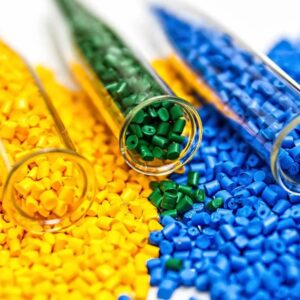
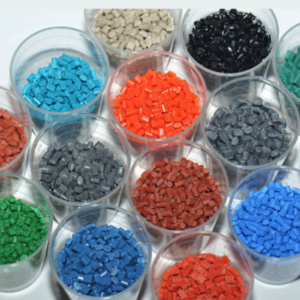
As its name suggests, polyethylene molding is the process of creating a part out of polyethylene and involves the conversion of a raw plastic material, or plastic resin, into a usable part. During this process, polyethylene pellets are fed into a barrel, which is then heated, and a reciprocating screw that mixes the plastic until it is in a molten state. The molten material is then injected into a mold cavity under high pressure, where it cools and solidifies.
While the fundamental engineering and mechanics of the injection molding process are largely the same across the different types of plastics used, each material has its own specific characteristics that shape each molding process. For polyethylene, the choice is highly a question of LDPE and HDPE, the two titans of the polyethylene industry.
LDPE (Low-Density Polyethylene)
LDPE is a manifestation of a high degree of molecular branching in its structure. Think of a tree with many limbs (branching), which prevents the molecules from packing together. This results in a material that flexible, tough, and even transparent.
Due to its lower density and weaker intermolecular force, tensile strength is also weaker when compared to its high density counterpart. LDPE, however, does well when it comes to ductility. It can stretch withouth breaking. This is why it is one of the first choices when it comes to being the go to part for applications that need flexibility, like a lids that snap on, or tubing that is flexible. It is also very exellcent in flexiblility.
HDPE (High-Density Polyethylene)
HDPE is on the other side. It also has a molecular structure that is linear, with a little amount of branching. This also causes the polymer chains to pack to closely and effeciently to that of a stck of lumber. Because of the dense structure of the chains, its also dense overall. It’s rigid, opaque, and has a high strength to density packed ratio.
Because of its stifffness and increased strength, it is also the workhorse of the PE family. It is also suitable for structures that require overall strengths. If it is that you need to crate an extra thick tool set or a chemical tank that need to resist bulging making HDPE is the best option.
Critical Properties of Plastic Polyethylene
To truly master the Injection Molding of Polyethylene, you must understand the material science behind the pellets. The behavior of PE during processing and its performance in the field are governed by several critical properties.
Density
Density is perhaps the most defining characteristic of polyethylene. It directly affects the weight of the final part and its buoyancy.
- HDPE:Typically has a density greater than 0.941 g/cm³. This higher density contributes to its rigidity and barrier properties.
- LDPE:Generally falls below 0.940 g/cm³. This lower density correlates with flexibility and clarity.
Understanding density is crucial for cost estimation (since material is bought by weight but used by volume) and for applications where weight savings are critical.
Tensile Strength
Tensile Strength is defined as the amount of “pull” the materials can handle. Due to the added tightly bonded crystals structures formed inside of it, an HDPE is much more dense and stronger than LDPE and is much better for components/handles that are carrying heavy loads, such as crates and industrial components. LDPE, while weaker, offer elasticity that allows it to stretch and absorb rather than snap under other behind it.
Flexural Strength
Flexural Strength is another word for the stiffness of the material and its resistance to power deformation (change of shape). Here, HDPE is much better than its counterpart, with high and consistent stiffness enabling its parts to keep their shape, even when the parts are filled with thick and heavy liquids or when the parts are stacked on one another. On the opposite end, LDPE is used for squeezable bottles precisely because of its low flexural strength. You want the material to easily squeeze and deform, and be able to return to its shape once the squeezing pressure is removed.
Coefficient of Thermal Expansion (CTE)
Every injection molder must recognize the coefficient of thermal expansion, or (CTE). Polyethylene has one of the most (if not the most) high CTE rates when its heated and cooled which means it expands and so does the plastic. This expansion is not so critical. What is of concern is when the plastic is being cooled in the mold. If mismanaged, expansion and contraction can lead to parts which are warped or have their dimensions out of tolerance.
Moisture Absorption
One of the distinct advantages of polyethylene is its extremely low moisture absorption. Unlike materials such as Nylon or Polycarbonate, which are hygroscopic and absorb water from the air, PE is hydrophobic.
- Processing Benefit:You generally do not need to pre-dry PE pellets before molding, saving energy and time.
- Performance Benefit:Parts made from PE will not swell or degrade in wet environments, making them perfect for marine applications or outdoor use.
Chemical Resistance
Polyethylene is very resistant to many chemicals. Most strong acids, alcohol, bases, and esters are no match for polyethylene. This resistance is why PE is often seen in the construction of containers for bleach and gasoline. However, strong oxidizing agents and some types of hydrocarbons can still affect polyethylene and so there are always exceptions to be considered in choosing polyethylene.
Pros and Cons of PE Injection Molding
No material is perfect. While polyethylene is versatile, weighing its advantages against its limitations is essential for determining if it is the right fit for your project.
The Advantages (Pros)
Cost-effectiveness
Polyethylene is one of the least expensive thermoplastics. Its low cost and fast cycle times due to high flow rates, make it a good candidate for high-volume production runs.
Versatility
PE can provide soft, pliable parts, and can also provide stiff, structural components. It is easily colorantable, which can provide a variety of colors to the parts, eliminating the need for secondary painting. It can also be used in over-molding processes to provide soft-touch grips or seals.
Durability
PE is also extremely tough. It has high impact resistance, meaning it can absorb shock without cracking. This also makes it ideal for freezer-grade food containers or outdoor equipment used in cold environments.
Recyclability
PE is an outstanding thermoplastic polymer as it can be remolded continuously without significant degradation. The LDPE (Recycling Code #4) and HDPE (Recycling Code #2) are accepted in recycling streams and can be a preferred option for the environment-conscious companies.
The Disadvantages (Cons)
High Shrinkage Rates
The high shrinkage rate is the main disadvantage of polyethylene and especially HDPE. As a material cools and crystallizes, it can shrink as much as 3% and more for HDPE. This results in a loss of the tight tolerances. Mold designers need to take this into account.
UV Sensitivity
Standard polyethylene is UV (ultraviolet) light, and degradation occurs with exposure to the sun, which leads to brittleness and color shifting (chalking). For outdoor applications, the resin must be added with UV stabilizers (like carbon black) to ensure better durability.
Flammability
Polyethylene, in the absence of certain additives, will have a higher degree of flammability. It burns rather easily and gives off a waxy odor. Additionally, it can drip hot, molten materials that can ignite other materials. Therefore, polyethylene has a limited range of applications in which it can be used, especially at high temperatures, or in electrical applications that have stringent flammability criteria such as UL 94.
Poor adhesion
Polyethylene has a low surface energy which makes its surface rather “slippery.” Although such a characteristic makes the material robust against chemicals, it also makes adhesion, painting, or printing on the polyethylene very difficult. Adhesives and inks will need to bond with some, often specialized, surface treatment such as flame treatment or plasma etching.
Applications of Injection Molded PE Parts
The versatility of polyethylene allows it to dominate across various industries.
Packaging
This is the largest market for PE.
- LDPE:Used for snap-on lids, dispensing caps, and squeezable tubes due to its flexibility.
- HDPE:Used for rigid crates, milk crates, buckets, and heavy-duty storage containers that need to stack and support weight.
Consumer Goods
Walk into any home, and you will find PE injection molded parts.
- Toys:Durable, non-toxic, and colorful, making it safe for children.
- Housewares:Tupperware-style containers, garbage bins, and laundry baskets.
- Kitchenware:Cutting boards (often HDPE) which resist moisture and bacteria.
Industrial
In the industrial sector, durability and chemical resistance are key.
- Logistics:Pallets and dunnage trays that withstand rough handling.
- Chemical Storage:Tanks, valves, and pipe fittings that resist corrosion from harsh chemicals.
Automotive
While not typically used for structural chassis parts, PE is vital for reducing weight.
- Fuel Systems:HDPE fuel tanks are standard because they are lightweight, rust-proof, and can be molded into complex shapes to fit tight spaces.
- Interiors:Non-structural trims and hidden components.
Medical
- Implants:Ultra-High Molecular Weight Polyethylene (UHMWPE), a specialized cousin of standard PE, is used in artificial hip and knee joints due to its extreme wear resistance.
- Disposables:Standard PE grades are used for pharmaceutical containers, kidney dishes, and various laboratory consumables.
Conclusion
In present-day manufacturing, polyethylene is a cornerstone material due to its affordable, flexible, and strong characteristic combination. Knowing the details between LDPE and HDPE will contribute to the success of your product launch.
If you are ready to begin your new project or to refine a current design, don’t leave anything to chance. Reach out to our team for a complete DFM review, and download our thorough material selection guide to prepare for your next product to be built to last.
Frequently Asked Questions (FAQ)
Q: Is polyethylene easy to injection mold?
A: Yes, because of polyethene’s low melting point, and flow rate, it makes it simple, and cycle times and filling of the mold occurs rapidly.
Q: What is the difference between molding PP and PE?
A: PP is more rigid and heat resistent than PE, however, PE has greater resistence to cold weather impact. Living hinges are more known for PP.
Q: Does polyethylene need drying before injection molding?
A: No. Because polyethene is hydrophobic, it does not absorb a lot of water, therefore does not need a drying step before molding.
Q: What is the typical shrinkage rate for HDPE?
A:The shrinkage rate for HDPE is high and is around 1.5 to 3 % (0.015 to 0.030 in/in), although it depends on the geometry of the part and the way it is processed.