

Polypropylene Injection Molding: A Comprehensive Overview
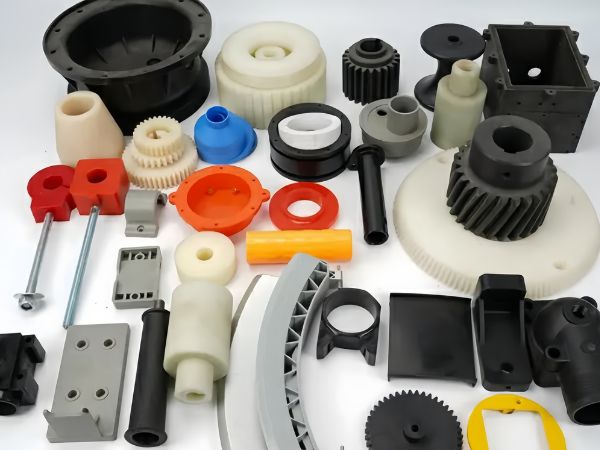
Table of Contents
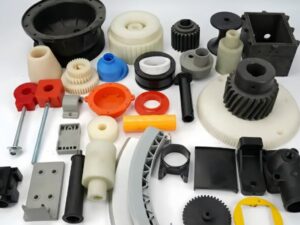
From the food containers on the table to the cars we drive, Polypropylene (PP) is everywhere. It is one of the most flexible thermoplastics on the planet, so it’s place in contemporary manufacturing is clear. Polypropylene Injection Molding is the most common process used to manufacture light, durable, and inexpensive parts made of PP. It is used in the automotive, packaging and medical industries.
This publication is intended to be a one-stop shop for product designers and engineers. It will guide the reader on how to master the injection molding process for polypropylene, key properties of the material, different kinds of resins, and do’s and don’ts of designing.
What is Polypropylene (PP)?
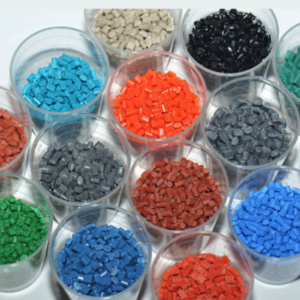
We have to first understand the material before we get to the manufacturing. Polypropylene is a semicrystalline thermoplastic addition polymer, and it is the result of polymerizing propylene monomers. In plastics, it is the most common polymer within the so-called “commodities plastics” class. This is certainly due to PP’s overall value for money.
PP, in contrast to high-end engineering thermoplastics, is much cheaper while still being very efficient. Additionally, PP has a lower density than many other plastics. This is a crucial aspect for industries, such as automotive, which are very focused on weight. After all, the lighter parts a car has, the more fuel efficient it is. It makes sense then, that the combination of low cost, durability, and lightweight, contribute to the popularity of PP for injection molding in industrial design.
Types of PP Materials
Polypropylene isn’t a “one size fits all” material. There are several variations, each tailored for specific applications and performance needs. Understanding these types is crucial for selecting the right resin for your PP parts.
Homopolymer Polypropylene (PP-H)
This is the most common type of polypropylene and the most popular general purpose grade. PP-H is a semi crystalline solid structure that is made from a single propylene monomer. The benefits of PP-H are its high ratio of stiffness to weight and strong resistance to many chemicals. However, it is known to be somewhat more brittle than other variations, most especially at lower temperatures. For such reasons, PP-H is the most common choice and still remains the industry standard for many applications such as packaging and textiles.
Impact Copolymer Polypropylene (ICPP)
To solve the brittleness issue related to some homopolymers, manufacturers developed Impact Copolymers. Of these, one includes an ethylene-propylene rubber phase which is incorporated into the homopolymer. While this configuration is still a rubbery phase, the resultant composite shows a significant increase in impact strength, even at lower temperatures. Therefore, ICPP is suitable for the automotive and industrial applications where there is a need for high strength and durability.
Random Copolymers Polypropylene (RCP)
With this variation, ethylene monomers are placed in a random fashion along the polypropylene chain. This interrupts the crystallization process which yields improved optical characteristics. This is the molding polypropylene grade to go for if your part requires clarity and transparency, such as the food containers, and in some medical storages. Moreover, it has a high flexural strength as compared to the homopolymer.
Expanded Polypropylene (EPP)
EPP is a closed-cell bead foam. It is valuable for its thermal insulation and energy absorption characteristics as well as buoyancy. It is also worth mentioning that unlike standard injection molding resins, it is ultra-light, and as such, it is widely applicable in automotive safety systems and in reusable transport packaging.
Polypropylene Terpolymer
Copolymers incorporate two monomers, whereas terpolymers utilize three: propylene, ethylene, and a third monomer, butene, for example. Having a third monomer in the mix widens the range of properties to focus on, for example, superior sealing properties or particular optical clarity that is otherwise unachievable by standard copolymers.
Bio-Based Polypropylene
With a growing focus on sustainability in manufacturing, Bio-Based PP is becoming more prevalent. Since it is produced from renewable feedstocks (waste oils or plant-based sources) rather than fossil fuels, the product has the same physical properties of fossil-based PP but a lower carbon footprint.
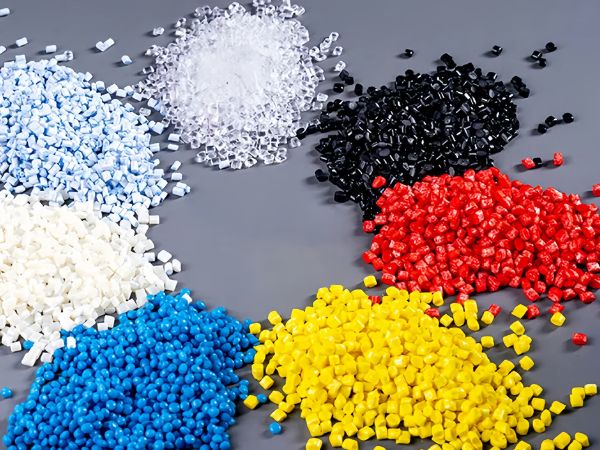
The Key Characteristics of PP
Why is injection molding polypropylene so popular? It comes down to a specific set of material properties that solve common engineering headaches.
Chemical Stability
Polypropylene is used widely for first-aid kits and other potentially reactive liquid products as well as many other products due to its being one of the most robust base and acid resistant container choices.
Flexural Strength
Polypropylene’s ability to withstand wear and tear and still be flexible gives it the classification of ‘tough’ and, while it isn’t as strong as polyethylene, for the weight class it stands alone. This is the class of materials which have high energy absorption and can deform in the early stages of the plastic deformation process.
Flexural Endurance
The plastic used is PP, and for a good reason: it was long seen as the ideal choice for what was termed the ‘living hinge’ – that is, the thin flexible bit of plastic which connects the cap to a ketchup bottle. Polypropylene is the only one which can withstand millions of flexes as opposed to a few hundred which most other plastics can do.
Insulation
Polypropylene has one of the highest resistances to the flow of electricity. Because of this, it is highly applicable to the production of electronic parts, insulating cables, and other industries dealing with applications that must avoid the conduction of electricity.
The Injection Molding Process for Polypropylene
Mastering the injection molding process for polypropylene requires attention to detail. While PP is generally considered “easy” to mold, precision is key to avoiding defects.
Melt Temperature
The appropriate temperature at which polypropylene can be injection molded is between 200 ̊C to 250 ̊C. These temperature ranges should not be looked at as guidance, because being precise at these temperatures is crucial. If the temperature of the thermoplastic gets too low, the mold will be incomplete. However, if the temperature is too high (above 270 ̊C), the thermoplastic can degrade, which leads to increasing any existing issues or creating new ones with the mechanical properties. This degradation will also cause issues with the overall appearance of the mold.
Mold Temperature
Cooling is the most important part of the molding process when it comes to polypropylene. the temperature of the mold influences how the final part will crystallize. A higher temperature gives the polymer chains more time to arrange. This results in more crystallinity, greater stiffness, but also longer cycle times. A lower temperature will cool the part off more quickly which in turn will also result in a more flexible part that is less crystalline. This also influences how much the part will shrink.
Injection Speed
A general rule of thumb for polypropylene (PP) is to have high injection speeds, as PP cools quickly. Rapidly filling the mold allows the PP to reach all extremities of the cavity before the PP solidifies. High speeds reduce the formation of weld lines (where two flow fronts meet) and lessen internal stresses within the part.
Design Guidelines for PP Injection Molding
Even the best Custom PP Injection Molding Factory cannot fix a fundamentally flawed design. Adhering to this PP injection molding manufacturing and design guide can save thousands of dollars in tooling changes.
Wall Thickness
Uniformity is the golden rule. Unlike metal casting, plastic injection molding requires consistent wall thickness to ensure even cooling. For PP, the recommended wall thickness typically ranges from 0.6mm to 3mm. Variations in thickness can cause the thicker sections to cool slower than thin ones, leading to warping (as the part bends towards the hotter side) or sink marks (depressions on the surface).
Draft Angles
To get the part out of the mold, you need a draft angle—a slight taper on the vertical walls. Because PP shrinks as it cools, it grips the mold core tightly. A draft angle of 1 to 2 degrees is standard for PP parts. Without this, you risk drag marks on the surface of the part or, worse, the part getting stuck in the mold during ejection.
Radii
Sharp corners are stress concentrators. When a part fails, it usually starts at a sharp corner. In PP design, it is crucial to round out corners with generous radii. This distributes stress more evenly across the part and also assists in the smooth flow of the molten plastic during the injection phase.
What are the Advantages of PP Injection Molding?
When weighing material options, why should a business choose injection molding polypropylene over nylon, ABS, or polycarbonate?
Cost Efficiency
The economics of PP are nearly unsurpassed. The cost of the raw materials are much lower than engineering resins. In addition, the PP resin has a lower viscosity than the other engineering resins and therefore flows more easily and cools more quickly resulting in shorter cycle times. In high-volume manufacturin, minutes of time savings in a work cycle translate to large cost savings.
Flexibility
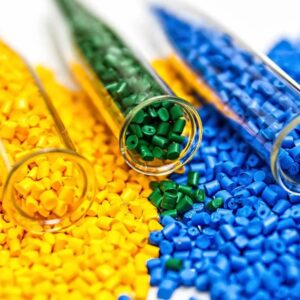
PP is like a blank canvas. It readily accepts fillers like glass fiber to increase stiffness or mineral fillers to reduce its density. It makes a strong masterbatch carrier, which means it accept colorants easily, resulting in bright and consistent brand color without necessitating painting.
Moisture Resistant
Polypropylene has a low absorption coefficient and so does not tend to require pre-drying. This saves a time-consuming step in production and drying ovens. In contrast to Nylon (Polyamide), which is hygroscopic and absorbs moisture from the air, PP does not present this moisture management issue in molding.
Applications of Polypropylene Injection Molding
The versatility of injection molding PP has secured its place in almost every sector of the economy.
Packing Industry
PP has food and chemical safety, so the most visible application is in the packaging industry. PP is used in yogurt cups, tub margarine, pill bottles, and bottle caps. Its capacity of forming a living hinge makes it a unique fit for flip-top caps.
Automobile Industry
Due to the requirements for fuel efficiency of cars, car manufacturers also need to use PP to replace metals in the car. It is also used in bumpers (which are often impact-modified), in the car’s interior trim, dashboard, and battery casing. It is also safe to use in the engine area because of its solvent chemical resistance.
Healthcare
Hygiene is important in the medical field. PP is also antibacterial and chemical resistant. Some medical grades of PP are also autoclave (steam sterilization) resistant. PP is used for medical syringes, vials, pill casing, and diagnostic devices.
Household Products
PP is used in many products in the home. Looking around your home, you can see PP made products, such as the toys on the floor, the stackable plastic chair in the yard, and storage space also made of PP in the garage. PP is also used in housewares because it is affordable and can last for a long time.
Choosing the Right Partner
While PP is a forgiving material, high-precision manufacturing is not. Selecting the right Custom PP Injection Molding Factory is as important as the design itself. While the material is easy to flow, it has a high shrinkage rate compared to amorphous plastics. Expertise is needed to control this shrinkage, manage warpage, and ensure dimensional accuracy. A partner with specific experience in molding polypropylene will understand how to optimize cooling channels and gate locations to mitigate these inherent challenges.
Leveraging the Power of Polypropylene
Polypropylene is a robust, versatile, and economical material that is perfectly suited for injection molding. From its unique fatigue resistance utilized in living hinges to its chemical stability in medical vials, PP offers a balance of properties that few other materials can match.
However, success isn’t just about picking the material; it is about execution. Understanding the injection molding process for polypropylene—from melt temperatures to wall thickness consistency—is key to high-quality part production. Whether you are designing the next generation of automotive interiors or a simple consumer package, following these guidelines will ensure your product performs as intended.
Ready to bring your design to life? Contact our team today for a quote on your next project or to consult with our engineers on material selection and design optimization.
Frequently Asked Questions (FAQ)
Q: What is the shrinkage rate of PP?
A: Polypropylene is a semi-crystalline thermoplastic. This means that compared to ABS, which is more of an amorphous thermoplastic, PP will shrink more. The average rate that polypropylene will shrink by is from 1% to 3%, which is a good deal of shrinkage. This means that it will need to be considered during the mold designing process. Ways to mitigate this during that process include more accurate control over mold temperature, holding pressure, and packing time.
Q: Is Polypropylene food safe?
A: Certainly, a good range of Polypropylene is FDA-compliant and in terms of food contact, considered safe. Polypropylene is a safe choice in the food industry and it can be used in food containers and food packaging because it does not leach any harmful chemicals, and is resistant to bacteria. However, be sure to check with the manufacturer the specific resin grade to confirm compliance.
Q: Can you glue PP parts?
A:It is not easy to bond PP. Because of the surface energy that polypropylene is, it does not stick. Most adhesives, such as super glue or epoxy, which are the common types of adhesives, will just peel off if you try to stick them. The most effective means of obtaining adhesion of PP parts is from the use of adhesives through ultrasonic welding, as well as other types of welding, while industrial primers can also be useful.