

ABS Injection Molding: The Ultimate Guide to Durable Parts
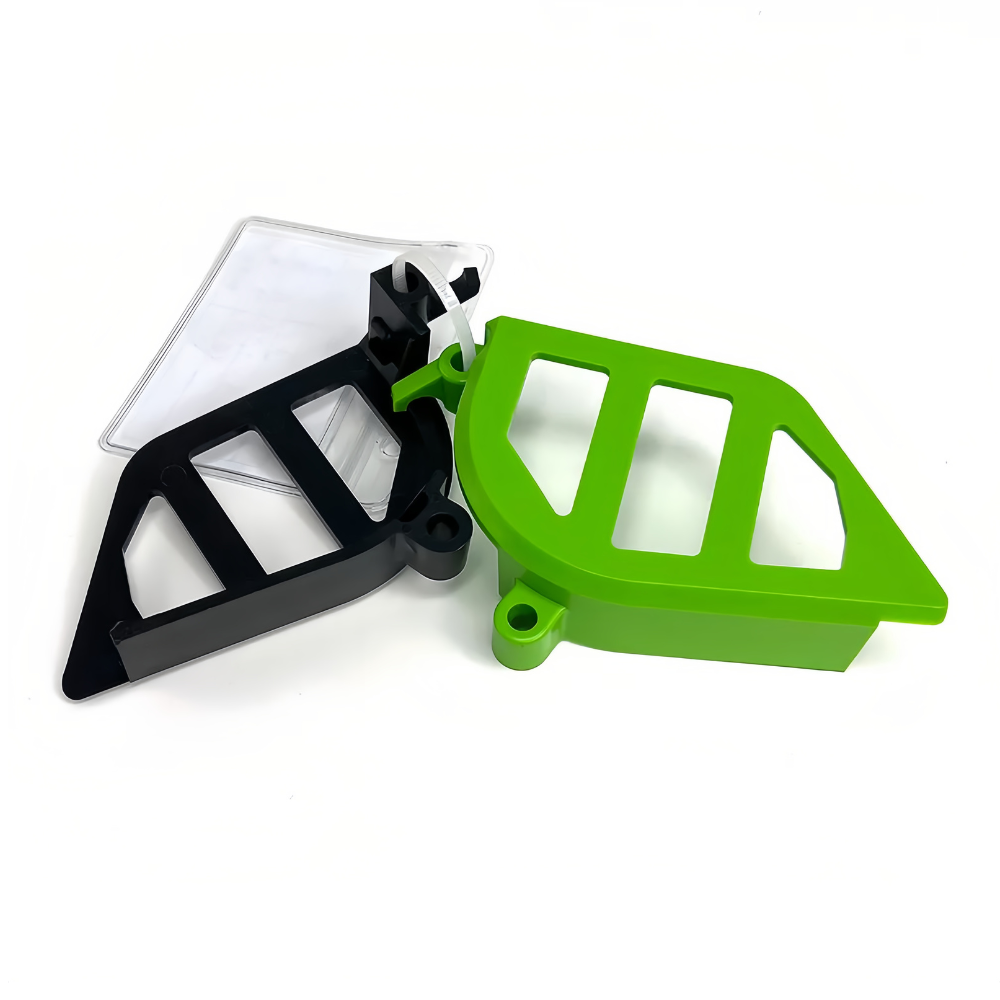
Table of Contents
People have stepped on LEGO bricks at least once in their life. When one steps on LEGO bricks, their foremost reaction is that it hurts, but what is interesting is that there are pieces of LEGO bricks that are still intact, demonstrating what is referred to as resilience. This has been termed as the hallmark of ABS plastic. ABS (Acrylonitrile Butadiene Styrene) is what is referred to as a thermoplastic. Also, since it can take a lot of use without breakage or deformation, ABS has been used in injection molding for varied industries such as electronics and automobiles.
Whether you are looking to design a product or you are a procurement officer seeking cheaper alternatives, there is no doubt that you need to know about this type of polymer. In this document, we will guide you through the chemical properties of ABS plastic and the molding process, the advantages that come with it, and the crucial design factors needed to create top-quality consumer products.
What is ABS Plastic?
The term engineering-grade thermoplastic is a classification that can be used to characterize some polymers. This can be seen when going through the chemistry behind the term ABS (Acrylonitrile Butadiene Styrene), which is a polymer that is formed through polymerization. In the process of polymerization, three plastic monomers (styrene, polybutadiene, and acrylonitrile) are used, resulting in the production of a non-transparent polymer. The components used have specific effects on the resulting product in the following way:
-Acrylonitrile: This is used to increase the chemical strength and stability at high temperatures.
-Butadiene: This component acts as a strengthener and increases the resistance of the final product to impact.
-Styrene: This is the one that gives the final product a smooth and nice appearance, as it acts on the overall rigidity of the polymer.
The advantages of ABS plastic are what gives manufacturers the ability to come up with different products.
The ABS Injection Molding Process
The ABS manufacturing cycle must be performed accurately to maintain both robutness and quality. ABS injection molding undergoes specific steps to maintain both structure and appearance.
Preparation and Drying
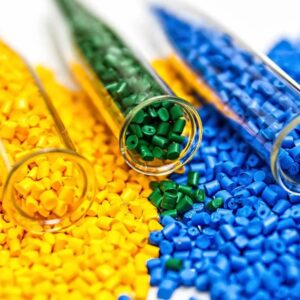
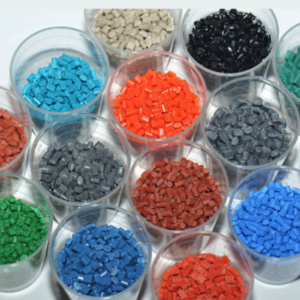
ABS must be dried prior to molding. The material is hygroscopic, meaning it absorbs moisture. If moisture is absorbed prior to molding, steam is created when a wet pellet is melted, causing defects such as splay marks and internal voids that can make the end part weaker. Drying the pellets in a hopper dryer to achieve the proper moisture content is a very important step in the process.
Melting and Injection
Once the material is properly dried, there pellets are placed in an injection molding machine. The material is then heated to molten temperatures that can range from 200 degrees celsius to 250 degrees celsius. A reciprocating screw then injects the material into the product cavity in the mold. A high volume of pressure is then achieved to make sure the material fully fills the cavity and all the small details are created.
Cooling System and Final Separation
The filled mold must be allowed to cool and solidify before the part can be removed and that cooling must be coordinated with the wall thickness and temperature of the mold. When the part has cooled to the point that it can hold its shape, the mold can be opened and the mold ejector is used.
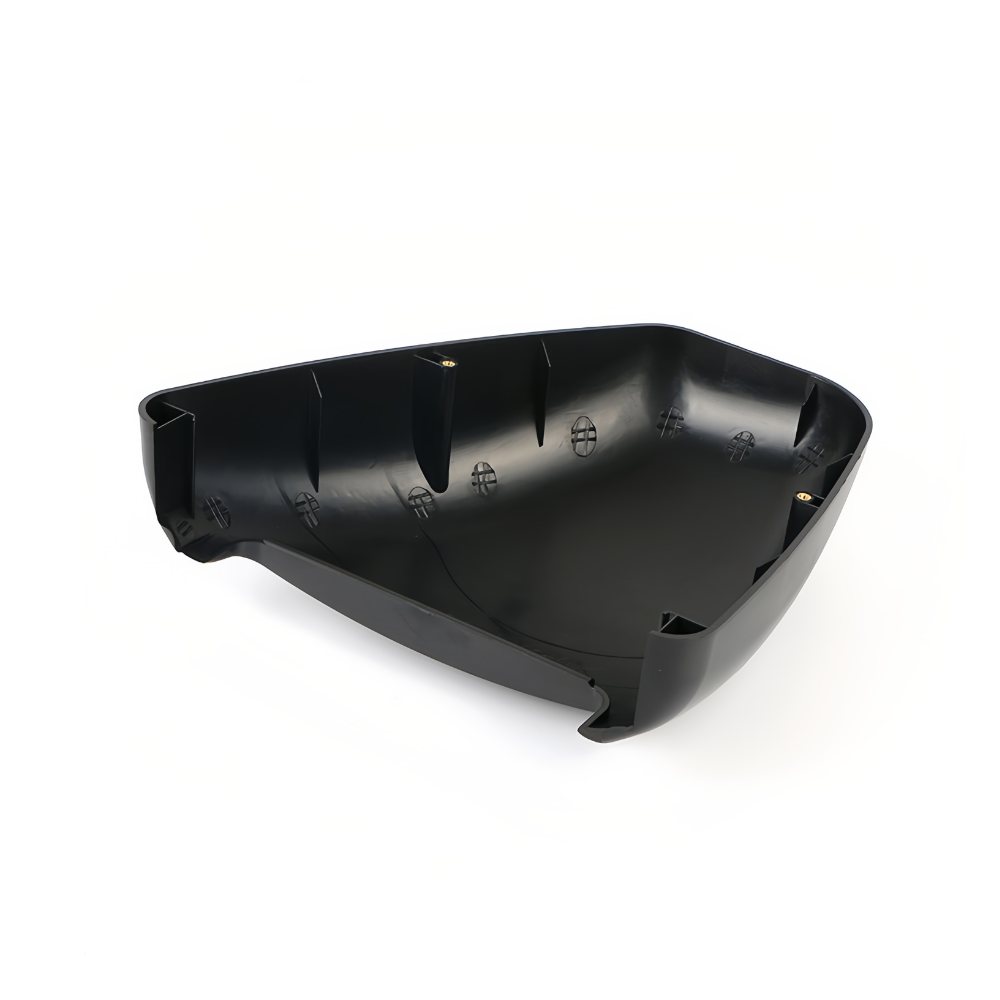
Key Advantages of Using ABS
Why do manufacturers still pick ABS considering other polymers have been developed recently? Suitable combination of performance and value.
Impact Resistance
Shock absorption is ABS’s prime characteristic. The butadiene rubber phase in the polymer matrix enables the material to slightly deform instead of cracking when pressure is applied. This characteristic makes it ideal for protective housings, luggage, and safety equipment.
Aesthetic Versatility
Functionality and form do not have to be in opposition. ABS is able to hold color pigment extremely well with consistent and brilliant coloration without the need for painting. Furthermore, for parts with specific surface finish requirements, ABS is able to attain high gloss finish and premium feel.
Cost-Effectiveness
Slightly lower cost of ABS in comparison to other high-end engineering plastics is an added advantage. Although engineering plastics have similar performance characteristics, ABS is cheaper. ABS is easy to use and machine with relatively lower wear and hence lower cost for entire production in comparison to other engineering plastics like PEEK or polycarbonate.
Recyclability
Sustainability is an increasing concern in manufacturing. Being a thermoplastic, ABS can be remelted, molded and used for recycling without considerably losing its chemical attributes. This means production scrap and end of life of products can be reused abs as it can be recycled.
Common Applications of ABS injection molding
The following are some of the most important uses of the material known as ABS (acrylonitrile butadiene styrene) for plastic molding, as ABS molding is so useful to so many industries.
Automotive RESTORATION ABS is frequently employed in the dashboards, steering wheel trim, and other heat-resistant paneled sections of the interior.
Consumer Products Also the casing of portable power tools are made of ABS plastic, and so too are many other lightweight, durable, and sturdy products.
Action Figures, Model Kits, and Hobbies Beyond LEGOs, ABS is used to make toys and hobbies.
Domestic Utilities To give ABS a glossy finish, cook appliances, control panels, and vacuum cleaners make use of the plastic, and so too to absorb the daily drops and jarring impacts from use.
Design Considerations for ABS Parts
Without good design, even good material will fail. When ABS parts are engineering, some specific design considerations must be followed to avoid problems.
Wall Thickness
For even cooling, it is critical to maintain a uniform wall thickness. For ABS parts, a wall thickness range of about 1.2mm to 3.5mm is advisable. If a part has an uneven amount of wall thickness, it will cool unevenly, and sink marks and/or warping will occur.
Draft Angles
Vertical walls will need a small draft, called a draft angle, to allow the part to be pulled from the mold without dragging and/or scuffing the part. A draft angle of 0.5 to 1 degree is typically enough for ABS parts, although more may be needed for textured surfaces.
Radii and Corners
Stress will concentrate at sharp corners, which is where cracks are likely to form. All internal and external corners need to have a radius, or rounded edge. This also evens the stress across the part and increases strength.
Contraction
All materials shrink as they cool off, abs is no different. The standard rate of cooling shrinkage is recorded at between 0.4% and 0.9% for abs. The engineering team will need to keep this in mind during the molding process to guarantee the finished product will have the appropriate final dimensions.
Conclusion
There are few technologies as versitile in parts duplication as ABS injection molding, This is because ABS molding is capable of being inexpensive, tough, and pleasently designed. From semi-truck dashboards to toddlers toys, ABS can be counted on.
Like with all things, there is a point of diminishing returns. Proper precessing, including drying, and sticking to desing specifications is key from achieving success; preferably optimal wall thickness and angling best practices. Given a number of criteria, there are few materials as capable as ABS.
If you are ready to move from design to production, create a manufactuable design and get in touch with our engineering department for design feasibility review and quote for your next ABS project.
If you are after complex specifications, our Material Selection Guide is recommended.
Frequently Asked Questions (FAQ)
Q:Is ABS plastic toxic?
A: In its solid, finished form, ABS is non-toxic and stable. However, during the injection molding process or 3D printing, heated ABS can release fumes (including styrene) that may be irritating. Proper ventilation is required during manufacturing. It is generally not recommended for food storage containers as chemicals can leach under high heat.
Q: Can ABS parts be used outdoors?
A: Standard ABS has poor UV resistance. Prolonged exposure to sunlight can cause the material to yellow and become brittle. If your part is intended for outdoor use, you should add UV stabilizers to the resin or paint the finished part with a UV-resistant coating. Alternatively, consider using ASA (Acrylonitrile Styrene Acrylate), which is similar to ABS but naturally UV stable.
Q: Is ABS recyclable?
A:Yes, ABS is a thermoplastic, meaning it can be melted down and reprocessed. However, recycled ABS may have slightly reduced physical properties compared to virgin material. It is commonly recycled into shipping containers, pipes, and protective packaging.
Q: How does ABS compare to PLA?
A: PLA (Polylactic Acid) is often compared to ABS in the world of 3D printing, but in injection molding, they serve different roles. ABS is stronger, more flexible, and more heat-resistant than PLA. PLA is biodegradable and easier to print, but it is much more brittle and will deform at lower temperatures (around 60°C), making ABS the superior choice for functional, durable parts.