

Medical Injection Molding: Benefits ,Material and Applications
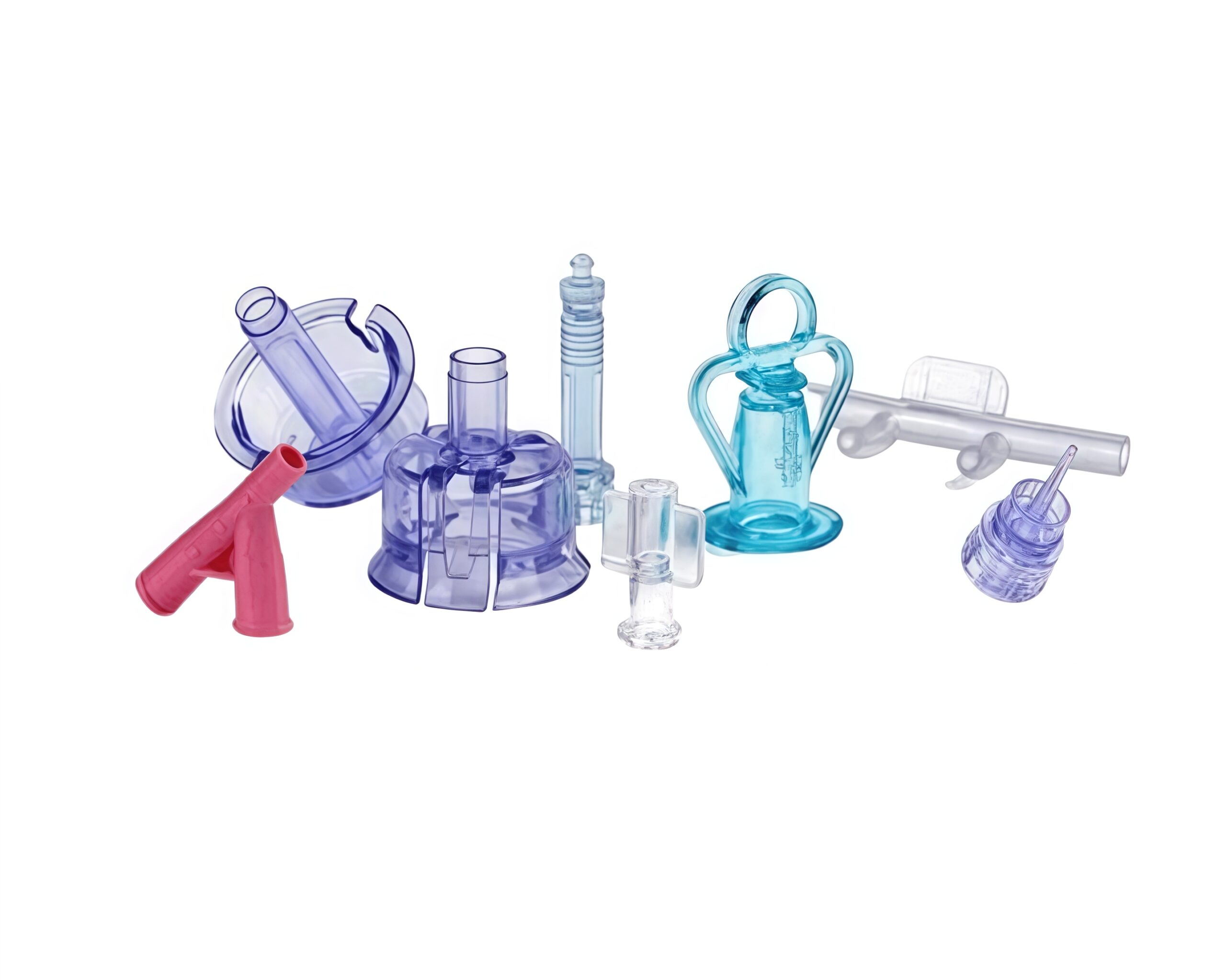
Table of Contents
Manufacturers in the medical device sector are unable to afford mistakes and must pay the utmost attention to the precision, safety, and sterility of the devices being produced. These are not just standards to be met, but rather criteria that must always be satisfied, whether it be the production of single-use syringes or life-saving implants, where every single device will need to be assembled flawlessly. This is exactly the reason why the healthcare sector relies on the industry’s leaders in medical injection molding for their highest and most stringent medical device requirements.
This post will explore what medical injection molding is and why it has become so vital. We will cover its key benefits, the materials used, its wide-ranging applications, and the critical considerations that ensure every product is safe and effective.
What is Medical Injection Molding?
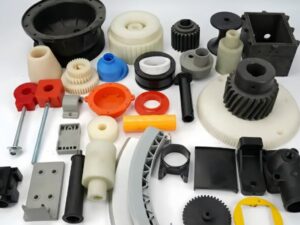
Medical injection molding is a specialized type of molding performed for healthcare and medical-grade molding. The medical industry, while it may not be common, is just as a sector of molding and injection molding, that is used to activate a series of tighter controls for the production of devices that are safe, reliable, and sterile.
This is a relatively simple process, with the following core steps being involved:
- Melting, where medical-grade plastic is fed into a machine which heats the plastic and melts it, and injecting, where plastic is placed into a high-pressure machine, it is then added into a mold and it cools, in a process which is highly monitored.
- Cooling: The plastic cools and takes the shape of the exact mold.
- Ejection: The solid parts align with the mold and are ready to be inspected, assembled, or packaged.
To maintain sterilization and avoid cross-contamination, this entire operation is done in a controlled, regulated space known as a cleanroom. These are rated according to their volume and concentration of particles in the air, usually to an ISO 7 or ISO 8 standard. In addition, these clean rooms must comply with the regulatory requirements of the FDA/ ISO 13485 for medical device quality management system regulatory requirements.
Key Benefits of Medical Device Injection Molding
Medical injection molding does have come overwhelming advantages that are extremely beneficial and valuable to the healthcare industry.
Precision and Complexity
Medical devices are often complex and have detailed designs that must be precisely made. The uneven molding of such products can be very detrimental. Injection molding, however, can create such complex and detailed devices that meet the requirements of close tolerances. Each part has to be made to the exact detail and if a small part is added, there should be a guarantee of no error.
Scalability and Speed
Efficiency is one of the main successes of the process, especially when it comes to high volume production. After the first mold has been created and approved, it can start making large amounts of the same pieces. It can make hundreds of thousands and even millions of identical pieces in no time. This ability to change production volume enables manufacturers to go from prototyping to large-scale production quickly to satisfy the needs of the market while maintaining high standards and quality in their production.
Cost-Effectiveness
High-precision mold design and production incurs a major upfront expense. However, the cost per unit is reduced significantly with the scale of production as runs become larger. Labor costs are reduced as the process is automated, and there is minimal waste of materials. Considering the production of single-use medical supplies or components of devices that are used widely, bulk production of injection molded parts is a financially wise option.
Material Versatility
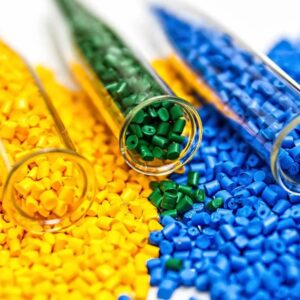
Various types of medical-grade polymers can be used for injection molding. These types of polymers can be biocompatible, strong, flexible, and resistant to a variety of chemicals and sterilization methods, and this opens room for great variation. This wide variety enables engineers to choose the ideal materials for the particular device and the necessary characteristics of the device’s function.
Risks Regarding Contamination
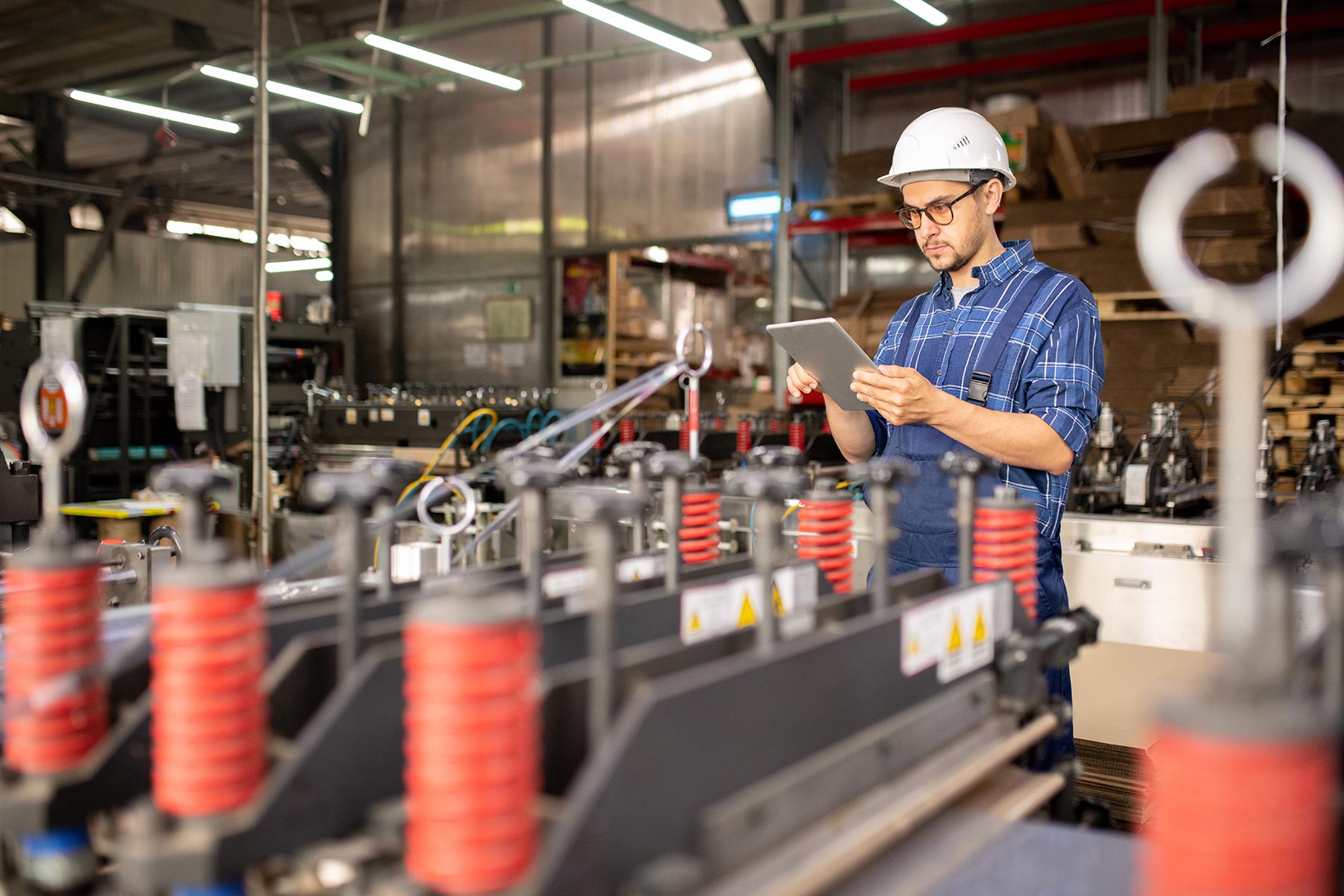
One of the reasons why automation is crucial for medical injectionmolding is because of there being less direct human contact with the parts. This causes there to be less of a risk to participants by minimizing the chance to be exposed to the parts. Completing the process in a certified clean room further increases the chances of the items being clean enough to be medically used.
Material Selection for Medical Devices
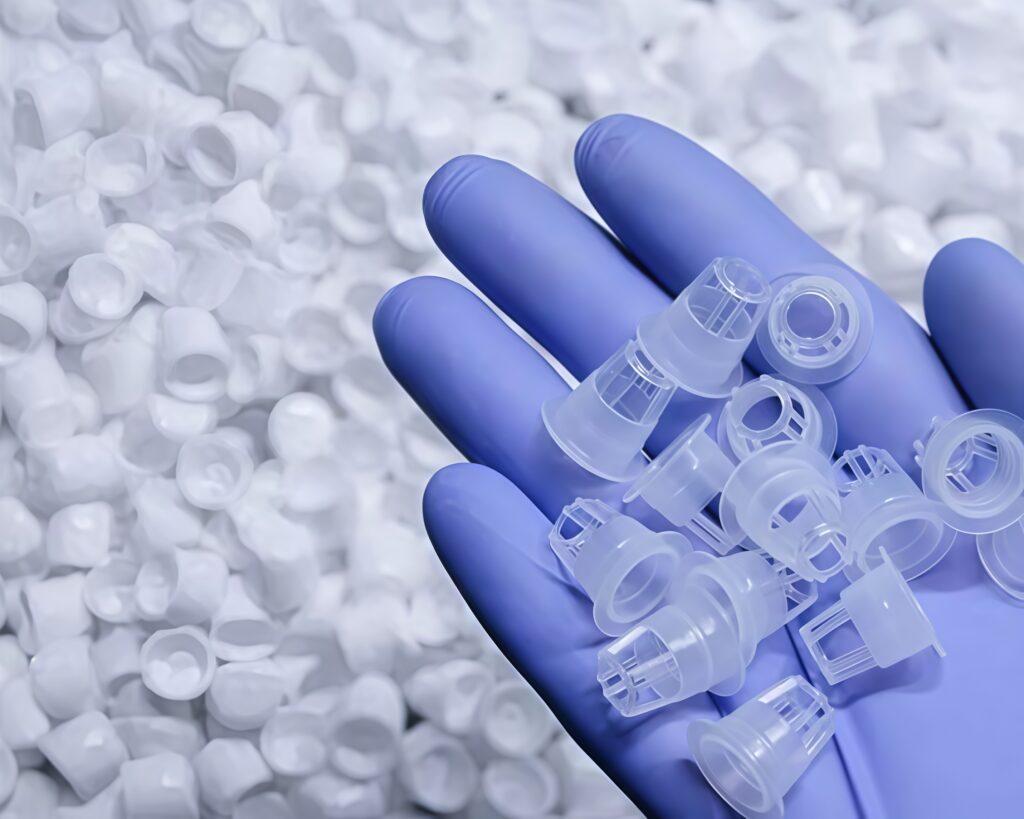
The primary consideration when making a medical device is the choice of material. The choice depends on the intended use of the device, the interaction the device will have with the patient, the type of sterilization that will be used, and the physical characteristics of and the device.
The following is a list of some injection molding medical-grade plastics.
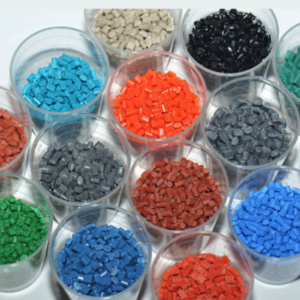
- Liquid injection molding silicone rubber is an excellent material used for the production of medical devices. LSR is very flexible, biocompatible, and can withstand a wide range of temperatures. The material is widely used for catheters, implantable devices seals and O-rings.
- Polycarbonate (PC): It is a transparent, moisture resistant, and tough polymer. It is used to make containers for certain surgical instruments, components of IVs, and some medical devices.
- Polyethylene (PE): Particularly very high molecular weight polyethylene (UHMWPE): It is a polymer used for making medical components due to its high impact strength, excellent friction, and biocompatibility. It is used in the production of acetabular cups in hip replacement surgeries.
- Polypropylene (PP): It is used to make medical containers, connectors, and syringes. It is also used in medical devices that are made to be steam sterilized (autoclaved) and that are disposable.
Comparison of Common Medical-Grade Plastics
Material | Biocompatibility | Common Sterilization Methods | Common Uses |
Silicone (LSR) | Excellent | Autoclave, EtO, Gamma | Seals, Implants, Catheters |
Polycarbonate (PC) | Good | EtO, Gamma, E-beam | Surgical tools, IV components |
Polyethylene (PE) | Excellent | EtO, Gamma | Implants, Medical Tubing |
Polypropylene (PP) | Good | Autoclave, EtO | Syringes, Containers, Sutures |
Applications of Medical Injection Molding
The possibility of medical injection molding is utilized to make numerous applications in the medical field.
Surgical Instruments
Large quantities of single-use surgical instruments like forceps, retractors, clamps, instrument handles, etc. are produced by injection molding for cost-effective sterilization.
Drug Delivery Devices
Injection molding is used in production of insulin pens, inhalers, auto-injectors and many other systems for the delivery of drugs due to the accuracy and reproducibility of the method.
Diagnostic and Lab Equipment
Diagnostic and laboratory equipment like test tubes, petri dishes, and cuvettes that are used in diagnostic equipment are produced in large quantities by this technique.
Implants
Permanent and temporary implants like orthopedic fixation devices, implants for spine, and dental parts made of biocompatible polymer are manufactured.
Catheters and Tubing
The tubing itself is often extruded, but critical parts of tubing systems like connectors, hubs, and valves that are used in catheters are normally formed by injection molding.
Important Factors for Medical Injection Molding
Carefully considering a few factors is essential for getting the best results for the medical molding project.
Regulatory Compliance: Compliance with FDA and ISO 13485 standards is necessary. It is also vital for a seller to be integrated with a manufacturer who possesses a strong quality management system.
Tooling Design: Every molding process revolves around durability and quality of the mold. For a mold to be successful and to ensure quality, appropriate dimensional accuracy and consistency to achieve the finished part must also be present. This takes a lot of engineering talent.
Traceability: Every manufacturer should be able to keep complete lot traceability. This allows each item to be traced back to its assigned lot, raw materials, and manufacturing date which is very important when it comes to quality issues and recalls.
Validation and Testing: Validation must be performed on all processes and on the finished product. Necessary checks should include functional testing, biocompatibility testing, and dimensional analysis to ensure the device is safe, meets requirements, and is fully functional.
Conclusion
As material science and manufacturing technology continue to evolve, the possibilities for medical injection molding will only expand. These advancements will drive further innovation, helping to create the next generation of medical devices that improve and save lives.
If you are developing a new medical device, partnering with an experienced manufacturer is key to success. Contact our experts to discuss your next medical device project and learn more about our medical manufacturing capabilities.
Frequently Asked Questions (FAQ)
Q: What distinguishes medical injection molding from other types?
A: Medical injection molding mandates more stringent conditions like cleanroom compliance (ISO 7 or 8), documentation adherence to the FDA and ISO 13485 regulations, the use of medical plastic materials, and traceability status through documentation.
Q: What are cleanrooms? Why are they important?
A: A cleanroom is an environment designed to control the amount of dust particles, contaminating the air. Keeping the devices produced not contaminated and hence, sterility, safety and effectiveness of the devices are of utmost important in medical medical manufacturing.
Q: What are factors that help in choosing the right material for a medical device?
A: Combination of biocompatibility, chemical resistance, strength and flexibility, and resistance to sterilization are some of the considerations when selecting material. Having the molding partner with experience and expertise in materials helps.
Q: What is ISO 13485?
A: ISO 13485 is an international standard pertaining to the quality management system for an organization, or part of an organization, involved in the design and development, production, distribution, or provision of a medical device. The standard is also indicative of the organization adherence to the regulations and quality of the system.